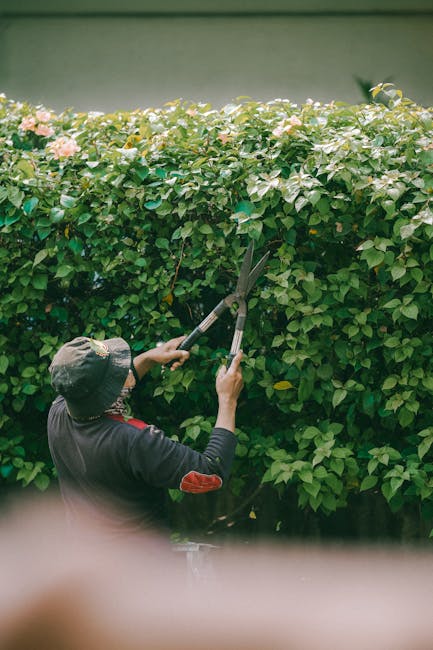
Garden maintenance guide for Harold Park Estate homes
If you live in Harold Park Estate, you already know the garden is not just "outside space". It's where a neat lawn, a well-cut hedge, and a tidy patio can make the whole home feel calmer, brighter, and easier to enjoy. This Garden maintenance guide for Harold Park Estate homes is designed to help you keep things looking good without turning weekends into a second job. We'll cover what matters most, how a sensible maintenance routine works, what to prioritise through the year, and when it makes sense to bring in help.
Truth be told, most gardens do not fail because of one big mistake. They drift. A few weeds appear, the lawn thins, the hedges run away from you, and suddenly the whole space feels harder to manage. The good news? A steady approach fixes that. And if you want a deeper refresh later, it can help to review a broader garden overhaul checklist alongside the routine care tips below.
Table of Contents
- Why this garden maintenance guide matters
- How maintenance works in practice
- Key benefits and practical advantages
- Who this is for and when it makes sense
- Step-by-step guidance
- Expert tips for better results
- Common mistakes to avoid
- Tools, resources and recommendations
- Law, compliance, standards and best practice
- Options, methods, or comparison table
- Case study or real-world example
- Practical checklist
- Conclusion
- Frequently Asked Questions
Why Garden maintenance guide for Harold Park Estate homes Matters
A garden around a Harold Park Estate home usually has to do several jobs at once. It should look welcoming from the street, stay manageable through changing weather, support healthy growth, and still feel like a place you actually want to spend time in. That balance is where regular maintenance earns its keep.
Without routine care, even a good garden starts to feel tired. Lawns become patchy, edges blur, weeds settle in, and hedges block light or spill into paths. A patio can also become slippery or stained, which is no one's idea of a relaxing afternoon. For properties where presentation matters, simple upkeep protects the feel of the whole home.
There's also a practical side. Healthy planting is usually less expensive to maintain than stressed planting. A well-timed prune is cheaper than a drastic rescue. A tidy border is easier to weed than an overgrown one. Small things, really, but they add up fast.
Expert summary: The best garden maintenance is not about doing everything at once. It's about doing the right jobs at the right time, before minor issues become awkward ones.
How Garden maintenance guide for Harold Park Estate homes Works
Garden maintenance works best when you think in layers. First comes safety and access, then plant health, then appearance. That order matters because it keeps the space usable while you improve it.
In practice, a maintenance routine for Harold Park Estate homes usually includes:
- regular grass cutting and lawn edging
- hedge trimming and shrub shaping
- weeding and border tidying
- pruning dead, weak, or crowded growth
- clearing leaves, debris, and seasonal waste
- patio and hard-surface cleaning
- checking for damage after heavy wind, frost, or rain
- refreshing mulch, compost, or soil feed where needed
That may sound like a lot, but it becomes very manageable once it's broken into weekly, monthly, and seasonal tasks. In the same way you wouldn't ignore a dripping tap until the kitchen floods, you don't leave a hedge to double in size and then hope for the best.
For many homes, the maintenance plan is also tied to how the garden is used. A family space needs safe surfaces and durable planting. A quiet retreat may need shaping, screening, and a calmer visual layout. A smaller courtyard often benefits from smarter container care and better use of vertical space, which is where ideas from space-saving container gardening can be surprisingly useful.
Key Benefits and Practical Advantages
The biggest benefit is obvious: the garden looks better. But that's only part of the story.
- Less stress: A tidy outdoor space is easier to enjoy and easier to explain to guests, neighbours, or potential buyers if that ever matters.
- Better plant health: Regular pruning, feeding, and watering helps plants recover faster and grow more evenly.
- Improved safety: Clear paths, cut back growth, and clean hard surfaces reduce slips, trips, and awkward blocked corners.
- Time savings: Small weekly tasks are far easier than a full-scale rescue job every few months.
- Better value from your garden: A maintained garden tends to feel larger, brighter, and more useful.
There's also a quieter benefit that people sometimes underestimate: good maintenance makes the garden more forgiving. You can miss a week because life happens. You can be away for a few days. The space doesn't unravel quite so quickly when the basics are already in place.
For homes with a strong boundary line or privacy concerns, maintained hedging can make a huge difference. If that's a priority, it's worth reading about fast-growing hedges for privacy and how they need to be kept in shape once they're established.
Who This Is For and When It Makes Sense
This guide is useful if you own a home in Harold Park Estate and want the garden to stay in good condition without constant drama. That includes first-time homeowners, busy families, landlords, homeowners preparing for visitors, and anyone who has looked out of the window and thought, "Right, this needs sorting."
It also makes sense if any of these sound familiar:
- your lawn looks uneven or tired after winter
- hedges are getting too high, too wide, or too woody
- the patio has algae, stains, or moss build-up
- weeds keep returning in the same areas
- you want the garden to feel more private or more family-friendly
- you simply do not have the time or tools to keep up with everything
Some people only need occasional help. Others need a steady maintenance schedule because their garden grows quickly, or because the property has a lot of hard landscaping, mature planting, or shaded corners that need more attention. If your garden includes slopes, taller trees, dense hedging, or an awkward layout, you may also benefit from broader gardening services rather than just a one-off tidy-up.
Step-by-Step Guidance
Let's keep this practical. A reliable garden routine does not need to be fancy. It just needs to be repeatable.
1. Start with a quick assessment
Walk the garden slowly and look for obvious issues: long grass, dead growth, blocked drains, weeds in paving, broken edging, loose fence panels, or branches rubbing against each other. You do not need to spot everything, just the jobs that are clearly asking for attention.
2. Tackle safety and access first
Before you prune or plant, clear paths and remove obvious hazards. If a branch is hanging low or a shrub is blocking access, sort that first. It's simply easier to work in a garden once you can move around it properly.
3. Cut back growth in the right order
Trim hedges before they get ragged. Remove dead stems. Shape shrubs lightly rather than hacking them to pieces. If you need a more focused approach, a dedicated hedge trimming service can help keep boundaries neat and consistent.
4. Maintain the lawn
A healthy lawn usually prefers regular, moderate cutting over occasional scalping. Keep blades sharp, avoid cutting too low in dry weather, and edge borders so the grass does not spill everywhere. If the lawn is patchy, it may need aeration, feeding, or over-seeding rather than just more mowing. In more involved cases, it's worth considering a proper lawn care plan.
5. Weed before weeds win
Weeds are easier to handle when they are small. Pull or hoe them before they flower and seed. Check cracks, border edges, and fence lines. A little bit of regular attention here saves hours later. If you want a simple approach, the article on effective weed control is a useful companion read.
6. Feed and refresh the soil
Soil gets tired. It just does. Add compost, mulch, or other organic matter where planting looks weak or dry. The garden does not need a full rebuild every time; often it just needs a better top layer and a bit of patience. Reusing organic waste properly also keeps the whole routine more sustainable, which is covered well in organic waste recycling for gardens.
7. Clean hard surfaces
Patios, steps, and decking collect grime, algae, and leaf residue. A clean surface changes the whole mood of the garden. Even on a dull afternoon, a fresh patio can make the space feel used rather than neglected. If your hard landscaping needs attention, a specialist patio cleaning service can help restore the finish without damaging the surface.
8. Review planting for the season
Swap out tired containers, rework bare spots, and think about whether the garden needs more colour, more structure, or more shade tolerance. A little seasonal planting keeps things from feeling static. You can also borrow ideas from ground cover planting ideas if you want to reduce bare soil and add texture.
9. Finish with a reset
Put tools away, remove waste, and look at the garden again from the doorway or path. That final view matters. It tells you whether the space feels balanced, and whether the next job should be structural, visual, or just routine upkeep.
Expert Tips for Better Results
A few small habits make a big difference over time. Nothing dramatic, just the sort of thing that quietly keeps a garden in better shape than most people expect.
- Do less, more often. Ten minutes every few days beats one exhausted marathon at the end of the month.
- Use the weather wisely. Dry soil is easier to weed. Mild, damp weather is better for planting. Frost and wind are usually the enemy of delicate jobs.
- Keep hedge lines consistent. Uneven cuts stand out more than people think.
- Mulch bare borders. It helps suppress weeds and keeps moisture in.
- Check hidden corners. The space behind bins, sheds, fences, or seating areas often becomes the first place clutter builds up.
- Choose plants that suit the garden, not just the mood board. Attractive is great. Suitable is better.
If your garden has strong wind exposure or exposed edges, do not ignore it. A sheltered-looking garden can still take a beating in a bad spell. There's a helpful discussion of practical wind management in gardens, which is worth a look if one side of your plot always seems to suffer.
And one more thing: don't over-prune just because a plant looks messy. A heavy hand in March or September can leave you with a garden that looks "tidy" for a week and then sulks for a season. Been there, regrettably.
Common Mistakes to Avoid
Most garden problems in estate homes come from a few repeat mistakes. Fortunately, they're avoidable.
Leaving trimming too long
Once hedges, climbers, and shrubs become oversized, they are harder to shape without leaving gaps or stress marks. Regular maintenance is kinder to the plant and easier on the eye.
Cutting lawns too short
Scalping grass weakens it, especially in dry or changeable weather. A slightly longer lawn usually handles stress better and looks healthier too.
Ignoring the soil
People often focus on what is visible and forget the growing medium. Poor soil gives you weak plants no matter how much you water. A good surface is nice. Healthy soil is nicer.
Using the wrong plant in the wrong place
Shade-loving plants in full sun, or sun lovers in deep shade, create a maintenance headache. Placement matters more than a fancy label on a pot.
Letting ivy and climbers spread unchecked
Climbers can be beautiful, but they can also become stubborn and invasive if left alone. If ivy is already causing trouble, this guide to lasting ivy removal methods is well worth keeping handy.
Forgetting the hard landscaping
People clean the planting and ignore the patio or deck, even though those surfaces shape the first impression of the garden. If your outdoor timber is part of the problem, deck upkeep matters too, and the dedicated decking services page is the kind of place to start.
Tools, Resources and Recommendations
You do not need a garage full of equipment. A small, dependable toolkit usually does the job better than a pile of gadgets that only come out once a year.
| Task | Useful tool or approach | Why it helps |
|---|---|---|
| Grass cutting | Sharp mower, edging shears | Gives a cleaner finish and reduces tearing |
| Hedge shaping | Hand pruners or hedge trimmer | Keeps the line neat and avoids over-cutting |
| Weed removal | Hand fork, hoe, stiff brush | Lets you remove weeds before they seed |
| Border care | Spade, fork, compost, mulch | Improves soil and reduces bare patches |
| Surface cleaning | Brush, detergent suitable for the surface, pressure control where appropriate | Helps restore patios and paths without damage |
| Seasonal tidy-up | Leaf rake, bags, loppers | Makes clear-up faster and less messy |
A few supporting resources can also help shape your approach. If you're just getting started, the gardening tools basics guide is a sensible reference. If your garden is smaller or built around compact outdoor space, vertical gardening ideas can help you add planting without cluttering walkways.
For homeowners interested in a calmer, more designed look, it can also be useful to study layout ideas before buying new plants. A good maintenance plan works best when the garden design makes sense in the first place.
Law, Compliance, Standards, or Best Practice
For a domestic garden, the main considerations are usually safety, neighbourly boundaries, and sensible care rather than complicated regulation. Still, a little care goes a long way.
If hedge work, tree pruning, or boundary maintenance could affect access, sightlines, shared edges, or neighbouring properties, it's sensible to be considerate and communicate early. If a tree is large, unstable, or close to structures, specialist assessment is often the safer route rather than a quick DIY cut. That is especially true where ladders, power tools, or awkward access are involved.
Best practice also means working safely with tools, lifting waste properly, and avoiding rushed work after dark or in poor weather. A careful approach reduces accidents and makes the result better anyway. You can review general safety expectations through the site's health and safety guidance and the broader insurance and safety information if you are using professional help.
If you're choosing a provider, it's also reasonable to look at how they handle transparency, payment, and complaints. That doesn't sound glamorous, but it matters. It tells you whether the service is organised, accountable, and likely to be straightforward to deal with.
Options, Methods, or Comparison Table
Not every garden needs the same level of attention. The right method depends on your time, your budget, and how quickly the garden grows back between visits.
| Approach | Best for | Pros | Trade-offs |
|---|---|---|---|
| DIY weekly upkeep | Smaller gardens or hands-on owners | Low direct cost, full control | Needs time, tools, and consistency |
| Monthly professional visits | Moderate gardens needing structure | Keeps major jobs under control | Some in-between jobs still fall to you |
| Seasonal reset visits | Gardens that only need periodic restoration | Good for catch-up work and heavier tasks | Can become expensive if the garden runs wild |
| Full maintenance plan | Busy homeowners or high-growth plots | Reliable, tidy, less stress | Ongoing commitment |
For many Harold Park Estate homes, the sweet spot is a mix: do light weekly tidying yourself, then use occasional professional support for the jobs that need proper equipment, height access, or a sharper finish. That can be a much more practical balance than trying to do everything alone and resenting the garden by July.
Case Study or Real-World Example
Here's a typical scenario. A homeowner on Harold Park Estate had a garden that looked fine from a distance but felt messy up close. The lawn was uneven, the hedge line had started to bow outwards, the patio had a film of grime, and the borders were full of self-seeded weeds. Nothing dramatic. Just enough to make the space feel neglected.
Instead of trying to "fix everything" in one weekend, the work was split into stages. First came a clear-out of debris and weeds. Then hedge trimming and light pruning. After that, the lawn was cut properly rather than hurriedly. Finally, the patio was cleaned and the borders were topped up with mulch. The result wasn't just prettier. The garden became easier to maintain, because the underlying problems had been reduced rather than hidden.
That's the real lesson. A garden rarely needs a miracle. It usually needs sequence, patience, and a bit of consistency. The improvement may look modest on day one, but by the second or third visit it starts to breathe differently. You notice it when you step outside in the morning and the whole place feels less effortful.
Practical Checklist
Use this checklist as a quick reset for a Harold Park Estate garden. It is simple on purpose.
- Walk the garden and note visible issues.
- Clear paths, steps, and entrances first.
- Mow the lawn if growth has picked up.
- Edge borders and tidy grass lines.
- Trim hedges and shrubs lightly and evenly.
- Remove weeds before they seed.
- Check for dead, diseased, or damaged growth.
- Refresh mulch or compost where soil looks tired.
- Clean patios, paving, and seating areas.
- Inspect boundaries, fences, and supporting structures.
- Water containers and newly planted areas properly.
- Bag waste or arrange recycling responsibly.
- Step back and check the overall balance.
If you only have time for three things this week, do the lawn, the weeds, and the paths. That alone changes the feel of the whole garden. Really, it does.
Conclusion
A well-kept outdoor space in Harold Park Estate doesn't need to be perfect. It needs to be cared for steadily, with attention given before problems get out of hand. When you keep on top of mowing, hedge trimming, weeding, pruning, and surface cleaning, the garden becomes much easier to enjoy and much less stressful to manage.
Whether you prefer a hands-on routine or a more supported maintenance plan, the aim is the same: a garden that feels tidy, healthy, and welcoming through the seasons. Small, regular actions win here. Not always glamorous, but effective. And to be fair, effective is what you want.
If you'd like support with routine upkeep, larger clear-ups, or a tailored plan for your outdoor space, take the next step when you're ready.
Get a free quote today and see how much you can save.
Frequently Asked Questions
How often should a garden in Harold Park Estate be maintained?
Most gardens benefit from weekly or fortnightly attention during active growing periods, with lighter checks in colder months. The exact rhythm depends on lawn growth, hedge size, and how quickly weeds return.
What does a standard garden maintenance visit usually include?
It usually covers mowing, edging, hedge trimming, weeding, pruning, and general tidy-up work. Some visits also include patio cleaning, leaf clearance, and seasonal planting adjustments.
Is it better to do garden maintenance yourself or hire help?
DIY works well if you have the time and tools. Hiring help makes sense when the garden is larger, overgrown, physically awkward, or simply too time-consuming to manage regularly.
What is the best time of year to tidy up an overgrown garden?
Spring and early autumn are common reset periods because growth conditions are often manageable. That said, a garden can be improved at any time if the work is prioritised sensibly.
How do I keep hedges neat without damaging them?
Trim them regularly rather than waiting for heavy regrowth, and avoid cutting back into bare woody sections unless you know the plant will tolerate it. Light, consistent shaping is usually safest.
Why does my lawn keep looking patchy even after mowing?
Patchiness can come from poor soil, compacted ground, low watering, shade, or mowing too short. Sometimes the fix is not more cutting but better lawn care, feeding, and recovery time.
Can patio cleaning really make that much difference?
Yes. Dirt, algae, and staining can make a garden feel older and less cared for than it actually is. A clean patio often lifts the whole space immediately.
What should I do with garden waste after maintenance?
Organic waste can often be composted or recycled responsibly where suitable. If you're dealing with a lot of cuttings, it helps to plan removal as part of the job rather than treating it as an afterthought.
Do I need professional help for tree or large shrub work?
If the work is high, awkward, or involves major cutting, professional help is the safer option. Large growth near buildings, fences, or paths should be handled carefully.
How can I make my garden easier to maintain long term?
Choose plants that suit the site, keep borders mulched, maintain edges regularly, and avoid designs that create lots of hard-to-reach corners. Simple layouts are usually easier to live with.
What if my garden gets very windy or exposed?
Wind-tolerant planting, thoughtful screening, and secure staking can help a lot. If your garden seems to suffer every season, it may need structural changes rather than just more pruning.
Where can I learn more about related garden improvements?
Useful next reads include winter care, sustainable upkeep, seating areas, and privacy planting. Those topics all connect back to maintenance, because a good garden rarely improves in just one dimension.