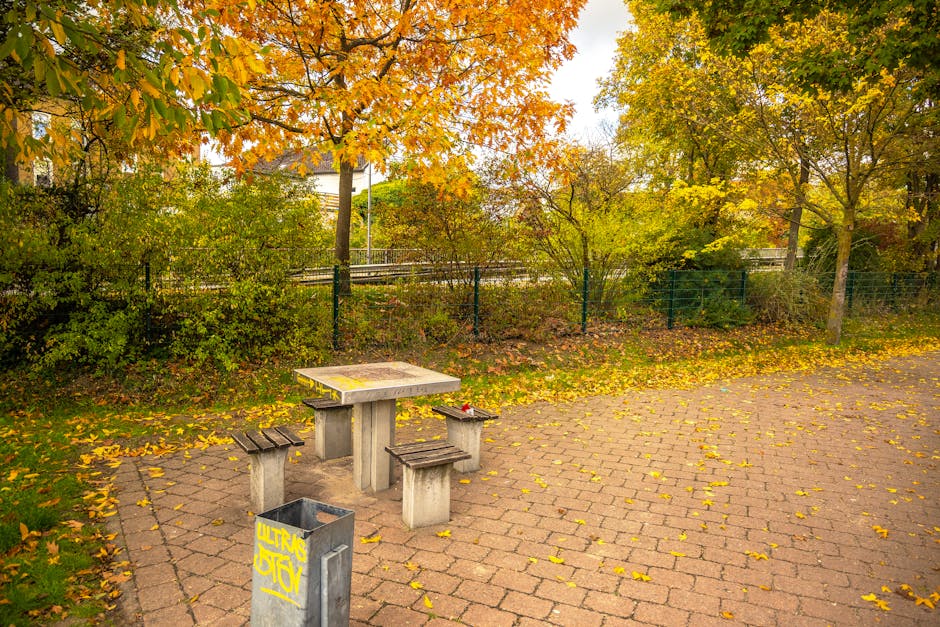
Expert garden clearance Harold Park community centre grounds
If you are responsible for keeping a community space tidy, safe, and welcoming, expert garden clearance Harold Park community centre grounds is one of those jobs that looks straightforward from a distance and then gets complicated very quickly. One week it is a few weeds and a patch of fallen leaves; the next, you are dealing with bramble growth, slippery paths, hidden debris, and a lawn that has quietly turned into a no-go zone.
Community centre grounds carry a different kind of pressure from a private garden. People arrive on foot, children run ahead, volunteers may be helping at short notice, and the outdoor area often has to look presentable in every season. Clear boundaries, safe access routes, and well-managed planting matter more than many people realise. This guide explains how professional clearance works, what good results look like, the common mistakes to avoid, and how to make sensible decisions without overcomplicating the job.
You will also find practical guidance on materials handling, timing, tools, and aftercare, plus a simple checklist you can use before work begins. To be fair, the best clearance jobs rarely feel dramatic. They just make a place feel calm, usable, and properly cared for.
Table of Contents
- Why expert clearance matters
- How the clearance process works
- Key benefits and practical advantages
- Who needs this service and when it makes sense
- Step-by-step guidance
- Expert tips for better results
- Common mistakes to avoid
- Tools, resources, and recommendations
- Law, compliance, standards, and best practice
- Options, methods, and comparison table
- Case study or real-world example
- Practical checklist
- Conclusion
- Frequently asked questions
Why Expert garden clearance Harold Park community centre grounds Matters
Clearance is not just about making a space look neat. On community centre grounds, it affects how people move, how the site feels, and how much maintenance builds up later. A small pile of cuttings beside a path can become a slip hazard after rain. A neglected hedge line can block sightlines and make the whole area feel a bit closed in. A bed full of invasive growth can swallow up planting that was meant to be decorative or wildlife-friendly.
In a shared public-facing setting, the margin for error is smaller. Outdoor areas need to cope with varied users, tighter schedules, and the fact that not everyone treats the space carefully. That means clearance work has to do more than "tidy up." It should restore control over the site.
There is also a community value to it. Well-kept grounds signal that the centre is cared for. That simple message matters. People tend to use places more confidently when paths are clear, views are open, and the entrance feels welcoming. A freshly cleared area can change the mood of a whole building.
For centres that also manage planting beds, seating areas, or boundary vegetation, clearance links closely with broader upkeep. If you are reviewing long-term maintenance, it can help to look at wider support such as ongoing garden maintenance and routine lawn care so the site does not slip back into heavy-growth mode too fast.
How Expert garden clearance Harold Park community centre grounds Works
Good clearance work usually follows a sensible sequence rather than a rush with a few bags and a mower. The aim is to remove unwanted growth, reduce hazards, sort waste properly, and leave the site ready for whatever happens next. The exact approach depends on the condition of the grounds, the time available, and whether the area needs to stay partly accessible during the work.
Most professional teams start with a site walk. They look at access points, overgrown corners, self-seeded shrubs, low branches, hidden rubbish, and any surface issues such as broken paving, uneven edging, or mossy slips. If there are climbing plants or woody stems around fences, that can shift the job from simple clearance into more controlled removal work.
After that comes sorting. Some material is suitable for green waste recycling, some may need separate disposal, and some items are best removed carefully to avoid damage to surrounding planting or hard landscaping. If the site has a composting or recycling plan, the clearance should respect it rather than dumping everything together. There is a useful article on organic waste recycling if you want to think more about where the green material ends up.
Finally, the team should leave the grounds in a state that makes follow-up maintenance easier. That often means edging, light pruning, weed suppression, and perhaps a discussion about future hedge work or seasonal visits. A one-off clearance solves the immediate problem; a proper clearance creates breathing room for the next stage.
Key Benefits and Practical Advantages
The obvious benefit is that the site looks better. But the real advantages go beyond appearance. Community centre grounds are used by lots of people, often in different ways, and expert clearance supports that variety.
- Safer movement: Clear paths, steps, and edges reduce trip risks and make the site easier to navigate in wet weather.
- Better first impressions: Visitors notice when grounds feel maintained, even if they cannot say exactly why.
- Lower long-term effort: Removing growth before it becomes established is nearly always easier than tackling it later.
- Healthier planting areas: Beds and borders recover more easily when weeds, dead matter, and suffocating growth are cleared away.
- Improved usability: Outdoor space can return to being a place for events, seating, informal gatherings, or children's activities.
- Less pressure on volunteers: A professional reset reduces the burden on small teams who may already be stretched.
There is another subtle gain too. When a space is visibly under control, people tend to treat it with a little more respect. Not always, but often enough. That matters in community environments where shared responsibility can be a tricky thing. Let's face it, some spaces invite care, and some invite neglect.
For centres trying to balance ecology and presentation, clearance also opens up choices. You can decide where to keep natural areas, where to simplify maintenance, and where to add structure. Some sites benefit from low-growing planting, and others need a clearer framework such as managed hedging or defined borders. A useful starting point is understanding what will replace the clutter, not just what is being removed. For example, low-maintenance ground cover ideas from ground cover planting ideas can help prevent bare patches from returning quickly.
Who This Is For and When It Makes Sense
This kind of clearance is for anyone responsible for a shared green space that has become awkward, overgrown, or simply too much to manage in-house. That might include a community centre manager, a trusteeship team, a caretaker, volunteers, or a local committee trying to get the grounds back into a presentable shape.
It makes sense when:
- paths are being narrowed by vegetation
- hedges or climbers are covering signs, fences, or entrances
- dead plant material has built up after winter
- weeds are spreading into borders or hard surfaces
- you are preparing for an event, reopening, inspection, or seasonal refresh
- the site has been neglected for a while and a reset is needed before routine care can start again
It is also a sensible move when you are trying to create a more usable layout. Sometimes the grounds are technically fine, but they are not working for the people who use them. A clearing visit can reveal space for seating, visibility, access routes, or even a small sheltered area. If you are thinking in that direction, ideas from tailored seating areas can be surprisingly helpful, even for modest community settings.
And if the site has children using it, the stakes rise again. Clutter, broken branches, hidden rubbish, and dense undergrowth can all create practical problems very quickly. A community garden should feel like a place where people can relax, not somewhere you need to tiptoe around.
Step-by-Step Guidance
Here is a practical way to think about the process. It is not the only method, but it is a reliable one.
- Inspect the site properly. Walk the perimeter, check entrances, note overgrowth, and identify any hazards, including hidden waste or unstable branches.
- Decide what stays and what goes. Some growth may just need cutting back, while other sections need full removal. Be clear about the difference before anyone starts cutting.
- Prioritise access routes. Paths, gates, emergency access, and main entrances should be tackled first. It is a simple rule, but people forget it.
- Work from the outside in. Boundaries, hedges, walls, and fence lines often define the biggest visual mess, so they are usually the best place to begin.
- Remove waste in stages. Keep green waste separate from general rubbish and sharp or bulky items. It saves time later and makes disposal safer.
- Finish with a surface check. Once the heavy growth is gone, inspect paths, edging, and planting beds again. You will notice issues that were hidden before.
- Plan the next visit. If the grounds were badly overgrown, one clearance usually is not enough. A follow-up maintenance schedule prevents the site from backsliding.
One small but useful detail: if ivy is part of the problem, do not just rip and pull without thought. It often clings to structures in ways that can damage the surface beneath. There is a practical guide on lasting ivy removal methods that fits this kind of work well.
In the real world, the work is often split over a half-day or full day depending on size. A small community plot might be transformed quickly. A bigger, neglected site can turn into a methodical, almost satisfying process: cut, clear, stack, sweep, review. Repeat. Not glamorous, but effective.
Expert Tips for Better Results
Some of the best results come from avoiding the obvious shortcuts.
- Do not clear blindly. Check for buried edging, irrigation parts, cables, signs, and hidden boundaries before heavy cutting begins.
- Use seasonal judgement. Winter clearance is different from spring reset work. Wet, brittle, or frost-damaged growth behaves differently, and timing matters more than people think.
- Trim before you remove. Large growth is easier to handle in smaller sections. It is a bit like unpacking a messy cupboard; sudden force rarely helps.
- Keep some structure. A completely stripped look is not always the goal. Sometimes the best result is a cleaner version of the existing layout.
- Think ahead to maintenance. If a bed gets overrun every few months, consider whether ground cover, edging, or a hedge barrier would reduce the workload.
- Protect the soil. Bare soil left open after clearance can invite new weeds. A follow-up plan is worth more than another hurried tidy-up later.
If the centre has windy corners or exposed edges, note that before planning replanting or hedge reduction. Wind can dry out freshly worked areas and batter new growth. A useful read on managing wind challenges can help you think beyond the first clearance day.
And one more thing. If a contractor talks only about cutting and not about disposal, aftercare, access, or safety, that is a small warning sign. The job is not just what happens with the tools in hand. It is how the site looks and functions after everyone has gone home.
Common Mistakes to Avoid
Clearance work can go sideways in predictable ways. The good news is that most of them are avoidable.
- Removing everything at once without a plan: This can leave the site looking bare, unmanaged, or unexpectedly exposed.
- Ignoring access and safeguarding: If the grounds are used by children, older visitors, or mobility-impaired users, path safety comes first.
- Leaving waste in piles: Cuttings that sit around attract mess, make the site look unfinished, and can create slip or pest issues.
- Underestimating regrowth: If weeds, brambles, or ivy are already established, they will usually return unless roots, runners, or seed sources are addressed.
- Forgetting the edges: Fences, walls, corners, and behind sheds are common problem zones. Miss them and the whole site still feels neglected.
- Choosing the wrong timing: A clearance done just before a major event, without follow-up, can be a bit of a false economy.
Another quiet mistake is failing to think about future use. If the grounds are cleared but still awkward to navigate, people will not magically use them better. It sounds obvious, but it happens all the time. A tidy space without structure is still a poor experience if nobody can enjoy it properly.
Tools, Resources and Recommendations
For most community centre grounds, the right tools depend on the scale and type of growth. You do not need a warehouse of equipment, but you do need the right basics.
Common tools and resources include:
- heavy-duty gloves and eye protection
- secateurs, loppers, and pruning saws for woody material
- brush cutters or strimmers for rough ground
- rakes, tarps, and collection bags for faster sorting
- wheelbarrows or carts for moving waste efficiently
- hedge tools for boundary reduction and shape control
- basic surface-cleaning equipment for paths, patios, and gathering areas
For a centre with mixed outdoor surfaces, it is worth pairing clearance with cleaning and light repairs. That may include patio cleaning where algae or leaf staining has built up, or even some fencing support if the boundary line is part of the problem. If the site includes timber platforms or seating structures, you may also want to look at decking services.
It can also be helpful to review the basics before work starts. A simple reminder list from gardening tools and basics is surprisingly useful if volunteers are joining the job and not everyone has the same experience level.
And if the grounds include broad lawns, do not treat the grass as an afterthought. A badly cleared edge around a lawn can make the whole place look half-finished. For that part of the site, lawn mowing support and lawn care usually go hand in hand with clearance.
Law, Compliance, Standards, and Best Practice
For community centre grounds, safety and waste handling are not optional extras. Exact requirements can vary depending on the site, the type of waste, and who is carrying out the work, so it is wise to treat compliance as a practical working habit rather than a box-ticking exercise.
At a minimum, good practice usually includes:
- clear risk assessment before work begins
- appropriate protective equipment for staff or contractors
- safe handling of sharp, heavy, or awkward waste
- care around slips, trips, and uneven ground
- separation of green waste and general rubbish where practical
- reasonable access control if the site remains partly open during work
If a project involves trees, large branches, or awkward overhanging growth, this can move into specialist territory. That is where careful judgement matters. Tree work should not be treated as casual cutting if there is a risk to people, structures, or nearby planting. For more involved work, tree surgery support is often the safer route.
It is also sensible to check the provider's own safety and process information. Pages such as health and safety policy, insurance and safety, and payment and security help build confidence before any work is agreed. If there is a concern or a service issue, it is worth knowing the relevant complaints procedure too.
One more practical point: centres often operate with volunteers, staff, and visitors all crossing the same ground. That makes clear communication part of compliance in the real world. Mark hazards, explain access limits, and keep the work area tidy as you go. It sounds basic, because it is basic. And basic is good.
Options, Methods, and Comparison Table
Not every site needs the same approach. Some places need a full reset, while others only need selective cutting back and waste removal. The right choice depends on how quickly the grounds have deteriorated and how the space is used.
| Method | Best for | Pros | Things to watch |
|---|---|---|---|
| Light clearance | Minor seasonal tidying, leaf buildup, light weeds | Quick, economical, keeps the site looking fresh | May not solve deeper overgrowth or hidden issues |
| Full garden clearance | Overgrown beds, blocked access, neglected corners | Creates a proper reset and makes follow-up maintenance easier | Needs careful planning so the grounds do not look stripped out |
| Clearance plus pruning | Hedges, climbers, boundary growth, mixed planting | Improves shape, structure, and visibility at the same time | Can be more labour-intensive than a simple tidy-up |
| Clearance with ongoing maintenance | Busy centres that need predictable upkeep | Reduces recurring problems and keeps standards consistent | Works best when the schedule is realistic and maintained |
For many community centres, the winning combination is not the biggest job. It is the right-sized job followed by a sensible maintenance plan. That is what prevents the "we cleared it in spring and it was back by autumn" story. A familiar one, unfortunately.
Case Study or Real-World Example
Picture a community centre with a side garden that had gradually become unusable. The front path was still accessible, but the side entrance had brambles pushing through the boundary, a low hedge had spread across the walkway, and leaf litter had collected around a seating corner that nobody wanted to sit in anymore. Nothing catastrophic. Just enough neglect to make the whole place feel tired.
A careful clearance started with the access point and the hedge line. The team removed dead growth, cut back the overhang, and cleared the hidden debris that had gathered along the fence. Once the space opened up, a second problem became visible: the border was full of weed growth around a few surviving shrubs. That was handled next, along with waste removal and a clean finish around the hard edges.
The result was not a dramatic redesign. It was better than that. The space became usable again. The side entrance felt safe. People stopped avoiding the area. A small bench that had been ignored suddenly looked like somewhere you might actually pause for five minutes. That is the real value of good clearance: it gives a place back to the people who use it.
If the grounds had been left to slide for another season, the job would have grown bigger, messier, and more expensive. So the lesson is simple. Act early if you can. It saves trouble later, and it usually feels better too.
Practical Checklist
Use this before any clearance starts. It keeps everyone on the same page.
- Confirm which parts of the grounds need clearing
- Identify paths, entrances, and areas that must stay open
- Check for hidden hazards, rubbish, or damaged surfaces
- Decide whether the job is light tidy-up or full clearance
- Separate green waste from general waste where possible
- Note any trees, climbers, or hedges that need specialist attention
- Plan for aftercare, not just the clearance day itself
- Make sure the work area is safe for visitors and staff
- Review whether maintenance, mowing, or hedge care should follow
- Keep a record of what was done and what needs attention next time
It is a simple checklist, yes, but simple is often what keeps community jobs from drifting into chaos.
Get a free quote today and see how much you can save.
Conclusion
Expert garden clearance for Harold Park community centre grounds is really about restoring order, safety, and usefulness in one careful move. It is not just cutting back plants or loading waste into bags. Done well, it creates a space people can move through comfortably, notice with pride, and actually use without hesitation.
The best results come from proper assessment, practical sequencing, clear waste handling, and a realistic follow-up plan. If the space needs specialist work later, such as hedge shaping, lawn recovery, or tree attention, it is much easier to manage once the grounds have been cleared and understood properly. That first reset matters more than people think.
And honestly, once a shared outdoor space feels lighter and more open, the whole building can seem different. A bit calmer. A bit more welcoming. That is worth doing well.
Frequently Asked Questions
What does expert garden clearance for community centre grounds usually include?
It usually includes removing overgrowth, weeds, brambles, dead plant material, and general debris, plus tidying paths, boundaries, and access areas. Depending on the site, it may also involve pruning, hedge reduction, and waste removal.
How is community centre grounds clearance different from normal garden clearance?
Community centre grounds need to stay safe and usable for many different people. That means access routes, visibility, and public-facing presentation matter more than they would in a private garden.
How often should a community centre arrange garden clearance?
It depends on growth, use, and season. Some sites need a seasonal reset, while others benefit from lighter but more frequent maintenance. If the grounds are busy or fast-growing, regular attention usually prevents expensive catch-up work.
Can garden clearance be done while the centre is open?
Often, yes, but it needs careful planning. Work zones should be controlled, hazards marked, and access routes kept clear where possible. If the site is very active, quieter times are usually easier.
What happens to the waste after clearance?
Green waste is normally sorted separately where possible, and other rubbish is handled according to the job plan. Good practice is to keep cuttings, general litter, and bulky waste distinct so disposal is easier and cleaner.
Is garden clearance the same as landscaping?
No. Clearance removes unwanted growth and debris; landscaping changes the layout, structure, or design of the space. Sometimes the two happen one after the other, but they are not the same thing.
Do overgrown hedges and ivy need special treatment?
Usually, yes. Hedges need careful shaping rather than rough hacking, and ivy can cling to surfaces or hidden structures in awkward ways. A measured approach avoids damage and makes regrowth easier to manage.
What should a community centre do before booking clearance work?
Walk the site, identify priorities, note any hazards, and decide what outcome you want. It also helps to check safety, insurance, and how the work will be completed and disposed of.
How do I know if the grounds need a full clearance rather than simple maintenance?
If access is blocked, weeds are well established, or the site feels overrun rather than merely untidy, a full clearance is usually the better starting point. Simple maintenance is best for smaller, more controlled jobs.
Can clearance help make the grounds more child-friendly?
Yes. Clearing dense growth, hidden debris, and awkward corners can make outdoor areas feel more open and easier to supervise. If children use the grounds, visibility and safe movement are especially important.
Will garden clearance stop weeds from coming back?
Not completely on its own. It removes what is already there, but follow-up maintenance, edging, mulching, and occasional treatment are what help prevent the same problem from returning too quickly.
What is the best next step after a big clearance?
The best next step is usually a maintenance plan. That might include mowing, hedge trimming, targeted weed control, or minor landscaping changes so the space stays in good condition instead of slipping back.
If you are looking at a tired outdoor space and wondering where to begin, start with the clearance. Once the clutter is gone, the real shape of the grounds becomes much easier to see. And that is where the good work starts.