Emergency gardeners Harold Park same day tree removal
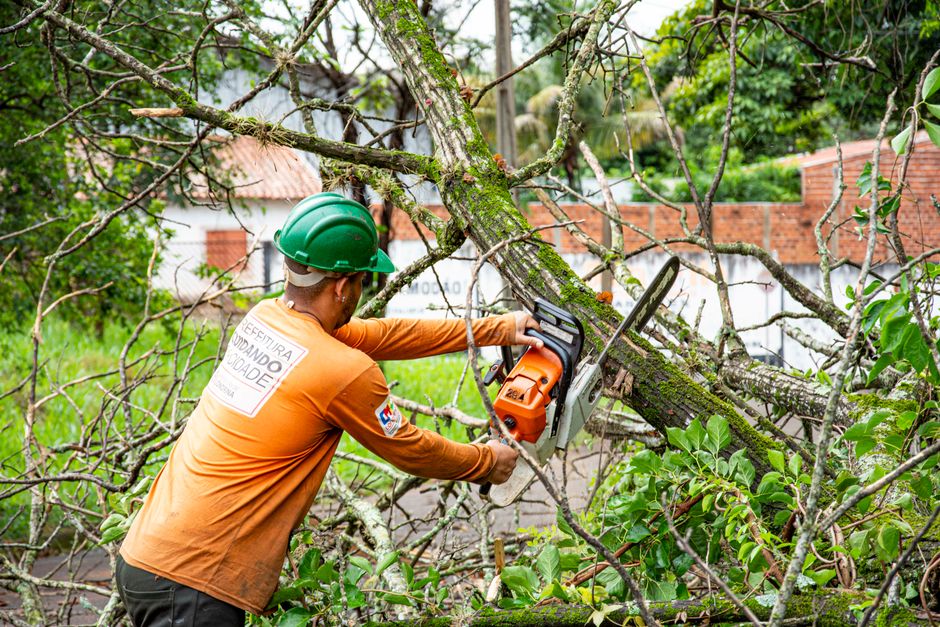
If a tree has split in a storm, dropped a heavy limb, or started leaning toward a fence, you do not want to spend the evening wondering what happens next. Emergency gardeners Harold Park same day tree removal is the fast-response service people call when a tree becomes an immediate safety issue and the garden needs calm restored quickly. In practice, that can mean clearing a fallen trunk, making a hazardous tree safe, or removing a dangerous section before it causes more damage.
This guide explains how same day tree removal works, when it is genuinely needed, what to expect from the process, and how to make a sensible decision under pressure. We will also cover common mistakes, safety checks, compliance questions, and a practical checklist so you can act quickly without rushing blindly. Because let's face it, when a tree goes wrong, you need clarity more than clever jargon.
Why Emergency gardeners Harold Park same day tree removal Matters
Tree problems rarely arrive at a convenient time. A tree can seem stable in the morning and be a hazard by afternoon after strong winds, saturated ground, or a hidden decay issue gives way. In a neighbourhood like Harold Park, where homes, boundaries, vehicles, patios, sheds, and access paths can all sit quite close together, even a medium-sized branch can create a proper mess very quickly.
The main reason same day tree removal matters is simple: risk moves fast. A cracked stem can worsen in minutes. A hanging limb can fall without much warning. A tree that is partly uprooted may still be holding on, which is exactly why it is dangerous. People often think, "I can deal with this tomorrow," and sometimes that is fine. But if the tree is already touching a roof, blocking a drive, or leaning into a shared access route, waiting can make the job harder and more expensive.
It also matters because emergency work is not just about cutting something down. Good emergency gardeners look at the whole picture: the route for access, the safest direction for dismantling, whether nearby shrubs or fencing need protecting, and how to clear debris without leaving the garden worse off than it started. If you are already thinking about broader garden recovery, it can be useful to look at ongoing garden maintenance once the immediate danger is handled.
Sometimes the best emergency decision is not total removal at all. There are cases where a tree can be made safe with selective pruning or staged dismantling. That is why an experienced local team should assess the site first rather than assuming every urgent call means a full removal. Tree work is a bit like plumbing in that way: the obvious problem is often only part of the story.
How Emergency gardeners Harold Park same day tree removal Works
Same day tree removal usually follows a clear sequence, even if the situation itself feels messy. First comes the call or message. The team will want to know what has happened, whether anyone is in immediate danger, whether the tree is blocking access, and whether there are live wires, damaged structures, or unstable ground nearby. If you can, describe the size of the tree, the species if known, and whether it is upright, fallen, split, or hanging.
Next comes a quick risk assessment. For a straightforward job, the team may be able to attend the same day with saws, climbing gear, rigging equipment, and protective kit. If the site is unusually complex, they may arrive to stabilise the area first and then complete removal safely. That is normal. Good emergency work is not rushed work. It is fast, yes, but still controlled.
On arrival, a proper assessment usually includes:
- looking for immediate hazards such as unstable limbs or tensioned branches;
- checking whether the tree is affecting property, paths, or boundaries;
- identifying the safest dismantling method;
- deciding what can be removed on the spot;
- agreeing how timber and green waste will be cleared.
For some gardens, the job may only take a short time. For others, especially where access is tight or the tree has fallen in an awkward direction, the team may need to work in sections. If the tree is part of a wider garden reshaping afterwards, you might later consider landscaping support to restore the space properly instead of just patching it up.
The important thing to understand is that same day removal is usually about prioritising safety first, aesthetics second. You can tidy the garden afterwards. You cannot easily undo a tree that has already crushed a fence panel or torn through a shed roof.
Key Benefits and Practical Advantages
Emergency tree removal is not only about disaster response. It gives you breathing room. When a damaged tree is dealt with quickly, the whole property feels less tense. The sound of creaking timber, the worry about the next gust of wind, the awkward tape-and-hope approach people sometimes use with hazards - all of that goes away once the problem is in hand.
Here are the most useful advantages in real terms:
- Immediate risk reduction. Dangerous branches or unstable trunks are dealt with before they cause more damage.
- Faster access restoration. Drives, gates, side passages, and front gardens can be cleared quickly.
- Less secondary damage. Acting early often prevents broken fencing, smashed paving, or damaged planting beds.
- Better decision-making. An urgent inspection often reveals whether the tree needs full removal, reduction, or temporary stabilising.
- Cleaner recovery. A competent team can remove debris and leave the site far more manageable.
There is also a mental benefit people do not talk about enough. Tree incidents are stressful. You look at the garden and it feels like the whole place has shifted. Getting a same day response restores a bit of order, and honestly that matters. Especially after bad weather. You want to know someone competent has looked at it and said, "Right, here is what we do next."
If the storm has also damaged hedging or borders, it may be useful later to review local hedge care options such as hedge trimming in Harold Park, because once one part of the garden is restored, the rest often needs a tidy-up too.
Who This Is For and When It Makes Sense
This service is for anyone facing a tree-related problem that cannot safely wait. That includes homeowners, landlords, property managers, tenants with permission to report urgent hazards, and small businesses with garden frontage or external access areas.
It makes sense when the tree is:
- leaning heavily after a storm;
- partially uprooted or lifted from the soil;
- split down the main stem;
- dropping large limbs repeatedly;
- blocking a path, drive, or exit;
- touching a structure in a way that could worsen;
- obviously diseased and at risk of failure;
- creating a hazard for children, pets, or neighbours.
It may also make sense if you have already tried to make the area safe with temporary measures but the tree still feels unstable. A rope around a branch is not a plan. It is a pause button, and not a very reliable one either.
On the other hand, if the tree is simply untidy, overgrown, or shading the garden too much, that is usually not an emergency. In that case, regular care or scheduled tree surgery is often the better fit. If your garden has been neglected for a while, you could also explore the team's background and approach before booking, so you know who you are dealing with.
One practical rule: if you are asking yourself, "Could this wait until next week?" and the answer feels uncertain because a structure or person is at risk, treat it as urgent. Better to be cautious than sorry. Nobody enjoys overreacting, but nobody enjoys an avoidable accident more.
Step-by-Step Guidance
If you need same day tree removal, a calm sequence helps. Panic wastes time. Here is the usual order that works best in real life.
- Keep people away. Clear the immediate area. Do not stand under hanging branches or near a leaning trunk.
- Check for obvious danger. Look for power lines, smashed glass, blocked exits, or damage to roofs and fences. If there are live electrical hazards, treat it as a serious emergency.
- Take a few photos from a safe distance. These can help explain the problem clearly when you make contact.
- Describe the situation simply. Say what happened, where the tree is, what it is touching, and whether access is restricted.
- Ask what can be done today. A good emergency team will explain whether the job can be completed same day or whether the first visit is to make the site safe.
- Confirm access details. Gates, parking, neighbour access, and narrow side passages can affect how quickly the team can work.
- Agree the next step. That may be full removal, partial dismantling, or temporary stabilisation followed by a return visit.
Once the work is underway, stay clear unless the team asks for access support. Most people mean well and want to watch what is happening. Fair enough. But saws, ropes, and stressed timber are not things to hover near. Let the professionals do the awkward bit.
After removal, ask about stump treatment, timber disposal, and whether nearby planting needs repair. If the tree came down because of weather or poor drainage, it may be wise to look at broader garden resilience later, such as the guidance in preparing a garden to withstand severe weather.
Expert Tips for Better Results
In our experience, the difference between a smooth emergency callout and a frustrating one usually comes down to preparation and clarity. A few simple habits make a big difference.
First, describe the exact hazard. "Tree is down" tells only part of the story. "Large branch is resting on the shed and the trunk is still under tension" is much more useful. Tension matters. A branch can look calm and still be loaded like a spring.
Second, show the access route. If a team can get equipment close to the tree, the job often moves faster. A locked side gate or cluttered path can slow everything down. A clear route saves time and sometimes cost, too.
Third, keep the garden clear around the work area. Move chairs, pots, tools, ornaments, and wheelie bins if it is safe to do so. That small bit of effort can prevent avoidable breakage.
Fourth, ask about waste handling before the work starts. Some people want all timber removed. Others want logs kept for future use or mulch for the beds. Better to say upfront than sort it out after everything is stacked on the drive.
Fifth, think ahead to recovery. After emergency tree removal, the garden often looks a little bare. You may want to re-establish privacy, reshape a border, or protect open soil from weeds. Good follow-up ideas can include using ground covers, planning a replacement hedge, or simply making the area functional again. If privacy is part of the issue, this guide to fast-growing privacy hedges may help with what comes next.
And one small human truth: do not underestimate how much mud a storm can drag everywhere. Even when the tree itself is the headline problem, the cleanup has a habit of spreading. Shoes, patio edges, and driveway corners all seem to get involved. Funny, really. Not funny, but you know what I mean.
Common Mistakes to Avoid
When people are stressed, they often make the same few mistakes. None of them are unusual, but they can turn a manageable job into a mess.
- Trying to cut unstable timber without proper support. A leaning tree or trapped branch can shift suddenly.
- Assuming every tree issue is a full removal. Sometimes pruning, reduction, or sectional dismantling is enough.
- Waiting too long because the weather has calmed down. Hidden damage may still be developing.
- Ignoring neighbour boundaries. A branch overhanging a shared fence can create confusion fast.
- Using improvised tools. Domestic ladders and light-duty saws are not a safe answer to an unstable tree.
- Forgetting to ask about disposal. You may end up with piles of timber and brash if it is not discussed clearly.
One more subtle mistake is not thinking about the aftermath. After a removal, the ground may be soft, roots may still be disturbed, and the space may be exposed to wind. If the tree had been acting as a windbreak, the remaining planting may need extra attention. A useful follow-up read is how to manage garden wind challenges, because suddenly open spaces can behave differently.
Truth be told, the biggest mistake is often hesitation disguised as caution. Caution is good. Indecision is not. If the tree feels unsafe, get an assessment. That simple.
Tools, Resources and Recommendations
Emergency tree work relies on more than a saw and a hard hat. The right kit matters, but so does judgement. A capable team may use climbing equipment, rigging ropes, lowering systems, chainsaws suited to the job, protective clothing, barriers, and chippers or collection vehicles depending on the site.
For the homeowner or site manager, the most useful resources are not technical gadgets but practical information:
- clear photos taken from a safe distance;
- notes on what is affected, including fences, sheds, patios, and access routes;
- site access details, such as locked gates or narrow passages;
- any known history of disease, storm damage, or repeated branch failure;
- a plan for pets, children, and neighbours during the work;
- contact details for whoever can authorise the job quickly.
If the job forms part of wider garden restoration, it can help to look at related support such as general gardening services or tree surgery once the immediate risk is removed. That way, the same problem does not keep coming back in another form.
For longer-term upkeep, the pages on pricing and quotes and health and safety policy can be helpful if you want to understand how a professional outfit frames its work. And if your concern is broader seasonal care, the advice in winterising your garden space is worth a look later on.
Law, Compliance, Standards and Best Practice
Tree removal in the UK is not something to take casually, especially where safety, property boundaries, or protected trees may be involved. You do not need to become a legal expert, but you do need to know that not every tree can simply be removed on demand without checking the wider picture.
Best practice usually includes:
- checking whether the tree may be subject to local controls or protections;
- making sure the work is carried out safely and with suitable equipment;
- protecting neighbours and passers-by from falling debris;
- managing access and waste responsibly;
- keeping records of what was agreed and why the work was urgent.
There can also be insurance implications if a tree has caused damage or if a property owner has ignored visible risk for too long. The exact position will vary, so it is sensible to keep photos and notes before anything is changed. That is not overkill. It is just practical.
Where a tree may be dangerous but the situation is not fully clear, a professional should use cautious wording and not make promises they cannot back up from a short visit. For example, a tree that looks like a complete loss may actually be salvageable with reduction, or it may need immediate dismantling. The right answer depends on structural condition, species, weather, rooting, and what the tree is doing right now, not only what it looks like from the kitchen window.
You can also review the company's general standards and processes in its terms and conditions and insurance and safety information if you want extra reassurance before booking. That is not being fussy. It is being wise.
Options, Methods, or Comparison Table
Not every urgent tree problem needs the same remedy. Here is a simple comparison that helps people think clearly when time is short.
| Option | Best for | Typical advantage | Trade-off |
|---|---|---|---|
| Same day full removal | Collapsed, split, or high-risk trees | Fastest way to remove danger | Removes the whole tree at once |
| Sectional dismantling | Trees near buildings or tight access | More controlled around structures | Can take longer and needs careful rigging |
| Emergency pruning or reduction | Stable trees with hazardous limbs | May preserve the tree | Not always enough for major failure |
| Temporary make-safe visit | Complex or unsafe sites | Immediate danger reduced quickly | May need a second visit for completion |
In a small back garden, sectional dismantling may be the smart answer if the tree is pinned near a fence or greenhouse. On a wider open site, same day full removal might be cleaner and faster. There is no one-size-fits-all solution, and anyone pretending there is probably has not stood in enough muddy gardens after a storm.
If the tree loss leaves an open boundary, you may later need a replacement screen or structural support. That is where services like fencing can become part of the recovery plan, especially if the tree had been providing privacy or wind shelter.
Case Study or Real-World Example
Here is a realistic scenario. A homeowner in Harold Park wakes up after a windy night to find a mature tree leaning toward the rear boundary. One large branch has split and is resting across part of the garden, while another section is still attached and moving slightly in the wind. The fence below has taken the weight, and the side path is partly blocked.
The first instinct is often to wait and inspect more closely. But with a split stem and unstable load, that would be risky. The safer move is to keep people away, avoid pulling at the branch, and arrange an urgent assessment. On arrival, the team may decide that the tree needs to be dismantled in sections because the remaining timber is under pressure and the access is too tight for a simple drop.
In a case like this, the immediate goal is not to make the garden beautiful again. It is to stop the situation from getting worse. Once the tree is down and waste cleared, the owner can then look at fence repair, soil recovery, and perhaps new planting to rebuild the area. If the tree was blocking useful outdoor space, they might also think about how to redesign that corner so it works better all year round. A few ideas from garden design for family use or tailored seating areas can be surprisingly helpful when the dust has settled.
The nice thing about a good emergency response is that it gives you a clean start. Not a perfect one. Just a clean one, which is often enough after a rough day.
Practical Checklist
Use this before you call, or while you are waiting for a response.
- Keep everyone away from the tree and the drop zone.
- Check for overhead cables, broken glass, or structural damage.
- Take safe photos from a distance.
- Note whether the tree is fallen, split, leaning, or hanging.
- Clear access routes if you can do so safely.
- Move vehicles, bins, furniture, and loose items.
- Keep pets and children indoors or well away.
- Prepare any permission or access details needed quickly.
- Ask whether the job can be completed same day or stabilised first.
- Confirm waste removal and stump handling preferences.
- Keep a record of the damage for insurance or landlord purposes.
- Plan basic post-removal tidy-up and follow-on repairs.
If you are thinking ahead to regeneration after the emergency, a little planning goes a long way. You may later want to add resilient planting, improve drainage, or rethink how the area is used. The article on sustainable gardening is useful for longer-term recovery ideas, especially where the original tree had masked underlying soil issues.
Practical summary: act fast, keep the area clear, describe the hazard clearly, and choose the safest method rather than the quickest-looking one. That is the heart of it.
Conclusion
Emergency gardeners Harold Park same day tree removal is about more than cutting out a problem tree. It is about stabilising a risky situation quickly, protecting the people and property around it, and giving you a clear path from panic to control. When done well, it is calm, careful, and decisive all at once - which, to be fair, is exactly what you want in a garden emergency.
Whether the issue is storm damage, a split trunk, or a tree that has become unsafe overnight, the right response is a practical one: assess, secure, remove if needed, and then plan the garden's recovery properly. That last step matters too. A cleared space can become a better space if you treat it thoughtfully.
Get a free quote today and see how much you can save.
And if today's problem is already under control, that is a small relief worth noticing. Sometimes the best garden work is the kind that quietly gets you back to peace.
Frequently Asked Questions
How quickly can same day tree removal happen in Harold Park?
It depends on the hazard, access, and how complex the tree is. Straightforward emergencies can often be attended quickly, while awkward or dangerous setups may need a make-safe visit first.
What counts as a tree emergency?
A tree is usually an emergency if it is fallen, split, leaning dangerously, blocking access, or threatening a structure, person, or vehicle. If there is live electrical danger, treat it as urgent.
Do I need the tree removed completely if it has fallen?
Not always. Sometimes only a section needs removal, or the tree can be made safe in stages. The right answer depends on stability, location, and what the tree is touching.
Will the team remove the waste as well?
Usually, yes, but it is best to confirm this before work starts. Some people want all timber taken away, while others prefer logs or mulch left behind.
Can emergency gardeners work near fences and sheds?
Yes, but they will usually take extra care and may dismantle the tree in sections to reduce the risk of further damage. Tight access often means a more controlled approach.
What should I do before the team arrives?
Keep people and pets away, avoid standing under the tree, take safe photos if possible, and clear access routes only if you can do so safely. Do not try to cut unstable branches yourself.
How much does same day tree removal cost?
Costs vary a lot depending on size, access, urgency, waste removal, and whether the tree is entangled with structures. A proper quote usually needs a short assessment first, even for urgent work.
Is same day tree removal different from tree surgery?
Tree surgery is the wider discipline, covering pruning, reduction, removal, and maintenance. Same day tree removal is the urgent response side of that work, focused on immediate risk.
What if the tree is on a boundary or near a neighbour's property?
That can complicate things, especially if branches or roots cross boundaries. It is important to explain the situation clearly so the team can advise on the safest and fairest approach.
Can a dangerous tree be saved instead of removed?
Sometimes yes. If the trunk and root system are still sound, reduction or selective pruning may be possible. But if the structure is badly compromised, removal is often the safer choice.
Should I call immediately after a storm?
If the tree is damaged or unstable, yes. Even if the weather has calmed, hidden weakness can remain. Early assessment is usually better than waiting for the next gust.
What happens after the tree is removed?
Once the danger is gone, the site is usually cleared and left ready for any follow-on work such as fence repair, planting, stump treatment, or broader garden restoration. That part is often where the space starts feeling normal again.